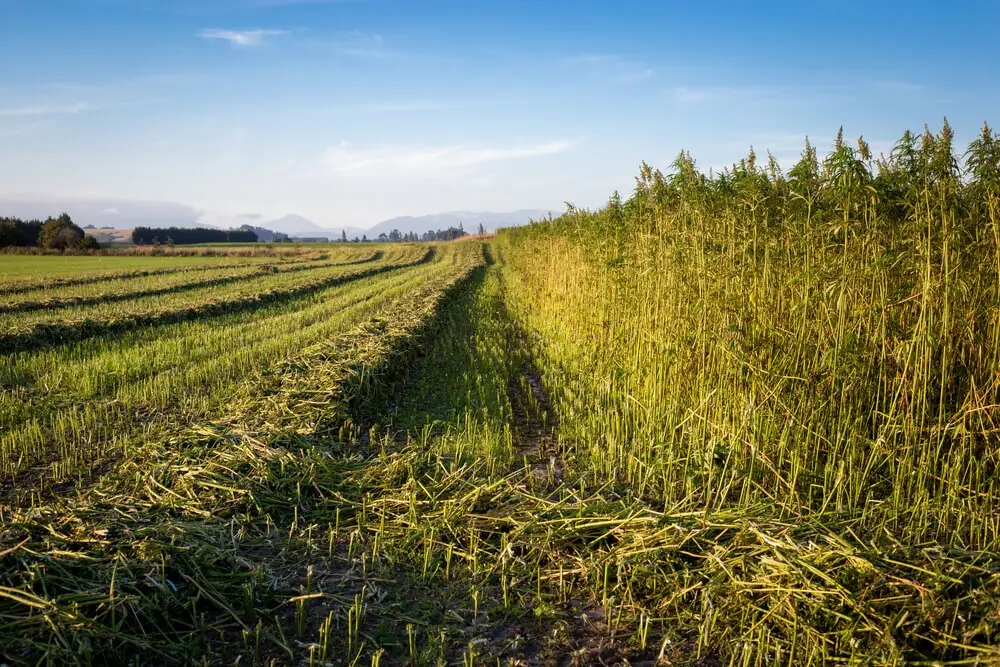

A single glance at a verdant field of swaying stalks rarely reveals the millennia of human ingenuity inside those fibers. Hemp is a legal variety of Cannabis sativa grown for fiber, seed, and wellness compounds. People often misunderstand and debate this plant, yet it remains one of civilization’s most versatile biological assets. Ancient cultures used it for sails and rigging. Modern laboratories now extract CBD from it. CBD, or cannabidiol, is a non-intoxicating cannabinoid commonly derived from hemp. Across centuries, this plant has remained a quiet but constant companion. Today, we stand at a crossroads between traditional agriculture and modern wellness science. To understand this botanical resource, Aiken Hemp & CBD Collective team always clear away misconceptions. Then we can examine its physical structure and molecular potential directly.
In this guide to what is hemp and CBD, you’ll learn how hemp is defined, how CBD is produced, the difference between hemp vs marijuana, and how to choose full spectrum, broad spectrum, or CBD isolate.
The Genetic Blueprint of a Global Flora
To grasp the magnitude of this botanical subject, one must first peer through the lens of a biologist. The plant known as Cannabis sativa L. is a marvel of evolutionary efficiency. It is a fast-growing, herbaceous annual that has adapted to nearly every climate on the planet, from the high-altitude plateaus of Central Asia to the humid river valleys of the American South. This adaptability is encoded in its very DNA, permitting it to thrive where other crops might falter. The structure of the plant is dominated by its tall, sturdy stalks, which are composed of two primary types of fiber: the long, outer bast fibers and the shorter, inner woody core known as the hurd.
Bast fibers gave the plant its first major role in human history. These fibers rank among the strongest natural fibers known. Their tensile strength rivals many synthetic materials. Under a microscope, the fibers show a layered internal structure. Cellulose, hemicellulose, and lignin form that structure. Nature weaves these components together for structural support. This design allows the plant to grow up to fifteen feet in one season. Few fiber crops match that vertical growth rate.
Fast growth gives the plant a competitive edge in the field. It forms a dense canopy early in the season. That canopy blocks sunlight from reaching weeds. Farmers therefore need fewer chemical controls. Growers often classify it as a naturally clean crop. Dense plantings also reshape local field conditions. The crop creates a mild microclimate near the soil surface. That environment suppresses competing species and supports a distinct ecological niche.
Morphology and the Architecture of the Stalk
The physical manifestation of the plant is a study in geometric precision. The leaves, perhaps the most iconic part of its anatomy, are palmately compound, meaning the leaflets radiate from a single point like the fingers of a hand. Each leaflet is lanceolate and features serrated edges, a design that maximizes surface area for photosynthesis. This high photosynthetic rate is what drives the plant’s incredible growth speed. As the plant matures, the stalks become increasingly lignified, turning from soft green shoots into rigid, wood-like pillars. This structural rigidity is necessary to support the heavy floral clusters that develop at the apex of the plant, as well as to withstand the wind and rain of the open field.
Inside these stalks lies a hollow or pithy center, surrounded by the hurd. The hurd is highly porous and absorbent, a quality that has led to its use in everything from animal bedding to high-tech construction materials. The synergy between the strong outer fiber and the absorbent inner core makes the entire plant a zero-waste miracle. In a well-managed harvest, every square inch of the biomass can be utilized for a specific purpose, whether that be spinning yarn, pressing oil, or creating biodegradable plastics. This efficiency is why the plant has remained a staple of agricultural interest for over ten thousand years. The porous nature of the hurd also makes it an exceptional medium for insulation, as it traps air within its cellular structure to create a natural thermal barrier.
The Dioecious Nature of the Species
Unlike many common crops, this species is typically dioecious, meaning individual plants are clearly identified as either male or female. The males produce pollen sacs, while the females produce the flowers that contain the highest concentration of specialized compounds. In an industrial context, farmers often prefer dioecious varieties because they produce seeds, which are a nutritional powerhouse in their own right. However, for those focusing on the floral components, the management of these gender expressions becomes a precise art form. The removal of male plants is often required to prevent pollination, which causes the female to divert energy away from resin production and into seed development.
Female flowers carry tiny, mushroom-shaped glands called trichomes. These microscopic structures produce the plant’s key compounds and aromatic oils. They function as biochemical factories at the flower surface. Trichomes also shield the plant from ultraviolet radiation. They help deter pests by releasing strong aromatic compounds.
For modern enthusiasts, trichomes represent the most important anatomical feature. They contain the resin used to make finished shelf products. Growers judge crop quality by trichome density and condition. Healthy trichomes usually indicate good soil and careful cultivation practices. Young trichomes appear translucent. They turn milky and then amber as maturity approaches. This color shift signals that harvest time has arrived.
A Chronology Written in Bast Fiber
This plant’s story runs parallel with the rise of human civilization. Archeological evidence places its cultivation among our oldest agricultural traditions. Ancient Chinese communities called the plant “Ma.” They valued it for both food and clothing. Excavations have uncovered cloth fragments from burial mounds dated to about 8000 BC. These finds confirm early mastery of retting techniques. Retting uses moisture and bacteria to break down stalk tissue. The process frees the durable inner fibers. Workers performed this method through careful timing and observation. It demanded practical knowledge of seasonal cycles and controlled decay.
As trade routes expanded, the plant’s reach expanded with them. Merchants carried it along the Silk Road. Caravans used it for durable cordage and rigging. Scholars relied on it for heavy-duty paper. By the European Middle Ages, governments treated the plant as a strategic resource. Maritime powers depended on it for naval infrastructure. The British Royal Navy used it extensively in ships and equipment.
Builders needed miles of rope for a single ship of the line. Sailmakers also required thousands of square yards of canvas. The word “canvas” comes from the Latin cannapaceus. Linguists interpret that term as “made of hemp.” Without this material, the age of exploration may have developed more slowly. Global maritime trade might never have reached the same scale.
From Ancient Looms to the Gutenberg Press
Printers and bookmakers recorded much of Western intellectual history on paper made from this plant. Before wood pulp became common in the nineteenth century, papermakers relied on rags and plant fibers. They processed recycled textiles and fibrous crops into durable sheets. The Gutenberg Bible, the first major movable-type book, used this paper. Printers chose it for performance, not convenience. The material resisted yellowing and brittleness over time. It also held ink well and survived repeated handling. Without this sturdy medium, many foundational documents might not have endured for centuries. Scribes drafted the Declaration of Independence and the Constitution on this resilient material. Their choice reflected trust in its durability.
In the East, communities treated the seeds as a superior grain. They supplied protein and essential fatty acids in harsh climates. Farmers stored them for nutrition and seasonal security. Producers pressed the seeds into oil for daily use. People burned the oil in lamps and used it in soaps. Artisans also mixed it into paints and varnishes. The plant functioned like a botanical general store. It supplied multiple essentials for self-sufficient households. Migrating groups often carried seed stores on long journeys. These seeds provided calories and practical materials. They served as protection against famine and environmental exposure.
The Colonial Mandate and Early Americana
When the first European settlers arrived in North America, they actively promoted this crop. Some colonies even required farmers to grow it by law. In 1619, the Virginia Assembly ordered each farmer to plant a set amount. Lawmakers wanted to support the emerging colonial economy. Several Founding Fathers strongly supported the crop. Thomas Jefferson called it “of the first necessity.” George Washington kept detailed crop records at Mount Vernon. He tested multiple varieties to identify stronger fibers. These leaders believed national strength required agricultural self-sufficiency. They viewed this plant as a cornerstone resource.
During this period, people could use the crop to pay taxes in some regions. It supported much of the early American textile industry. Manufacturers produced work clothes and wagon covers from its fibers. Frontier communities valued the fabric for its durability. The cotton gin later changed textile economics. Synthetic fibers also shifted manufacturing priorities. The crop then lost market dominance. Its historical footprint, however, still marks the nation’s development. Many modern consumers now rediscover its durability and function. Cheaper alternatives reduced product quality over time. A growing segment of buyers now rejects those tradeoffs.
The Great Semantic Divide
In the modern era, a significant amount of confusion exists regarding the terminology used to describe this plant and its various iterations. To navigate this landscape, one must look at the legal and chemical distinctions established by regulatory bodies. The primary distinction used in the United States, formalized in the 2018 Farm Bill, is based on a specific threshold of a compound known as THC. If the plant contains less than 0.3% THC by dry weight, it is classified as industrial hemp. If it exceeds that limit, it falls into a different regulatory category. This line in the sand is what separates the agricultural world from the medicinal and recreational spheres.
The 0.3% threshold did not appear by chance. Canadian scientist Ernest Small proposed it in 1976. He set the figure to separate fiber and seed varieties from drug-type plants. The threshold created a practical classification boundary. Regulators could now distinguish crop types more easily. This distinction remains essential for modern policy frameworks. It allows legal cultivation of non-intoxicating plant varieties. It also permits lawful production and sale of compliant products.
The rule reshaped how authorities treated the crop. Policymakers reclassified it as an agricultural commodity. That change helped launch today’s large commercial market. Researchers gained clearer approval pathways. Investors also received stronger legal certainty. The threshold reduced regulatory ambiguity around cultivation and product development.
Deciphering the 0.3% Threshold
The implementation of this threshold changed everything for the American farmer. It meant that the crop could be insured, financed, and transported across state lines like any other grain or fiber. However, maintaining this level requires a high degree of precision in farming. Environmental factors such as heat, soil composition, and hydration levels can influence the chemistry of the plant. Farmers must constantly test their crops to certify that they remain within the legal limit, a process that has spurred the growth of specialized testing laboratories across the country. A “hot” crop—one that exceeds the limit—must often be destroyed, which creates a high-stakes environment for the modern agriculturalist.
This regulatory framework also protects the consumer. It guarantees that the products being purchased are derived from plants that meet strict safety and legal standards. At Aiken Hemp & CBD Collective, product transparency guides every purchasing decision. When you see a label that mentions “Hemp-Derived,” it is a reference to this specific legal standing. It is a badge of legitimacy that separates the modern wellness industry from the unregulated markets of the past. By adhering to these metrics, the industry has built a foundation of trust with a public that is increasingly interested in the botanical world but remains wary of legal complexities. This transparency is the bedrock of the market, ensuring that every product can be traced back to its point of origin.
The Molecular Identity of CBD
While the fibers and seeds have their own story, much of the contemporary conversation centers on a specific compound found within the plant’s resin: cannabidiol (CBD). To look at CBD is to look at the intersection of organic chemistry and natural wellness. Unlike other compounds found in the species, cannabidiol does not produce a “high”. It’s a non-intoxicating molecule that interacts with the body’s systems in a much more subtle manner. It is one of over a hundred different compounds known as cannabinoids that have been identified within the plant. These molecules are unique to the genus and represent a complex chemical language that we are only beginning to translate.
The discovery of CBD is a relatively recent event in the grand timeline of human history. It was first isolated in 1940 by a team at the University of Illinois, led by Roger Adams. At the time, its structure was not fully understood, and it was largely ignored in favor of other, more famous compounds. It wasn’t until the work of Dr. Raphael Mechoulam in the 1960s that the specific chemical architecture of CBD was mapped out. This breakthrough laid the groundwork for all modern research into how these plant-based molecules interact with biological systems. It moved the conversation out of the realm of folklore and into the rigorous light of the laboratory.
The Discovery and Isolation of a Compound
The process of isolating CBD is an exercise in scientific rigor. In its raw form within the plant, it actually exists as cannabidiolic acid (CBDa). It is only through the application of heat or time—a process called decarboxylation—that the acid loses a carboxyl group and becomes the CBD we are familiar with. This molecular shift is what activates the compound, making it available for use in various formats. The beauty of the CBD molecule lies in its stability and its ability to be integrated into a wide range of carriers, from oils to topicals. This adaptability makes it an ideal candidate for inclusion in everything from gourmet beverages to high-end skincare.
From a molecular standpoint, CBD acts as a versatile compound. It is hydrophobic and does not dissolve in water. Manufacturers therefore use fatty carriers like coconut oil or hemp seed oil. Its molecular structure allows it to cross biological membranes. Delivery efficiency varies by formulation and route of administration. This constraint drives industry focus on bioavailability. Bioavailability measures how much compound reaches systemic circulation.
Product developers work to improve delivery efficiency. Better delivery creates more consistent product performance. Researchers now study nanotechnology-based formulations. These systems can disperse CBD in water-based solutions. Such advances could reshape the beverage category.
Non-Intoxicating Characteristics and Botanical Purity
One of the most frequent inquiries from those new to the subject is whether CBD will alter their state of mind. The answer lies in the chemistry. CBD does not bind to the same receptors in the brain as intoxicating compounds do. Instead, it has a “balancing” effect, working on the periphery to support the body’s natural state of equilibrium. This lack of intoxication is why CBD has gained such widespread acceptance among professionals, athletes, and seniors who want the benefits of the plant without any impairment. It offers a way to engage with nature without detaching from the demands of modern life.
The concept of “purity” is central to the production of high-quality CBD. Because the plant is a “bioaccumulator,” it naturally draws up whatever is in the soil, including heavy metals or pesticides. This makes the farming practices and the subsequent extraction process critical. Pure CBD products are the result of meticulous soil management and “clean” extraction technologies that remove any unwanted plant matter or contaminants. When a product is described as “pure”, it signifies that the molecular integrity of the CBD has been preserved while every external impurity has been discarded. This commitment to purity is what separates industry leaders from those looking for a quick profit at the expense of safety.
The Alchemical Shifts Being CO2 and Ethanol
Processors turn green plant material into concentrated oil through controlled extraction. The process combines traditional herbal practice with modern chemistry. Several extraction methods exist in today’s market. Two methods lead commercial production: supercritical CO₂ extraction and ethanol extraction. Each method offers distinct technical advantages. Each also shapes the final chemical profile of the product.
Extraction converts raw biomass into a concentrated, usable form. Technicians must control pressure, temperature, and solvent behavior. The work requires precision and applied knowledge of molecular physics.
Extraction method often ranks as the first checkpoint for experienced buyers. It signals a company’s production priorities and technical standards. Some producers prioritize process efficiency. Others focus on preserving delicate aromatic compounds. Some aim for maximum chemical purity in the final isolate.
This stage showcases the technical craft behind extraction. Operators must balance pressure, temperature, and time. Their goal is to capture key compounds without molecular damage. Small temperature shifts can cause terpene degradation. That change can alter the product’s aromatic and functional profile.
Supercritical CO2 Extraction is Considered to Be the “Clean/Gold Standard”
Many producers call supercritical CO₂ extraction the industry’s gold standard. This method uses carbon dioxide under controlled temperature and pressure. Technicians cool and compress the gas into a supercritical state. In that state, CO₂ shows properties of both a gas and a liquid. This hybrid behavior makes it an effective solvent.
Supercritical CO₂ flows through the plant material during extraction. It dissolves cannabinoids, oils, and waxes. CO₂ appeals to manufacturers because it is familiar and non-toxic. People encounter it in normal respiration every day. After extraction, operators release the system pressure. The CO₂ then separates and dissipates as a gas. The process leaves behind concentrated oil without solvent residue.
The precision of this method is astounding. By adjusting the temperature and pressure, extractors can “tune” the CO2 to target specific molecules. For example, they can pull out the CBD while leaving behind the heavier waxes and chlorophyll that can give some oils a bitter, “grassy” taste. This results in a product that is not only effective but also pleasant to use. While the equipment required for CO2 extraction is quite expensive and requires highly trained technicians, the result is a level of purity and consistency that is difficult to match with other methods. It represents the peak of modern botanical science, offering a surgical level of accuracy in isolating desired compounds.
Ethanol and the Tradition of Tinctures
Ethanol extraction is one of the oldest methods of creating plant-based extracts, dating back centuries to the original “apothecary” tinctures. In this method, high-grade alcohol is used as the solvent. The plant material is soaked in the ethanol, which strips away the cannabinoids and terpenes. This method is particularly effective at capturing the full range of the plant’s profile, including the water-soluble components that CO2 might miss. It is a robust and efficient process that is often used for creating high-volume extracts. The historical weight of this method lends it a certain credibility among those who prefer traditional wellness practices.
One of the challenges with ethanol is that it’s a “polar” solvent (very good at pulling out chlorophyll). This can give the resulting oil a very dark green color and a strong, earthy flavor. To create a more refined product, many manufacturers will put the ethanol extract through a process called “winterization,” where the oil is chilled to sub-zero temperatures to precipitate out the waxes and fats. When done correctly, ethanol extraction produces a rich, “full-bodied” oil that many enthusiasts prefer for its complexity and traditional feel. It is often the choice for those who want a product that feels “closer to the earth.”
The Synergy of the Whole Plant
When browsing for CBD products, you’ll likely encounter three primary terms: Full Spectrum, Broad Spectrum, and Isolate. These are not just marketing buzzwords; they describe the exact chemical makeup of the extract and how much of the original plant’s “personality” has been retained. Choosing between them is a matter of personal preference and specific lifestyle needs. Each tier of refinement offers a distinct interaction with the plant’s biology, catering to the varying preferences of a diverse global audience.
The Entourage Effect Explained
The concept that underpins this entire discussion is the “Entourage Effect.” This is the idea that the various compounds in the plant — cannabinoids, terpenes, and flavonoids — work better together than they do in isolation. It is a botanical synergy where the whole is greater than the sum of its parts. By keeping these compounds together, the product provides a more comprehensive experience that mimics how the plant exists in nature.
This framework suggests respecting the plant’s inherent complexity rather than reducing it to a single active ingredient. With that foundation in mind, each extract type can be understood as a different point on the refinement spectrum.
Full Spectrum Extracts: Complete Plant Profile
Full Spectrum extracts contain the full range of compounds found in the original hemp plant. This includes CBD, minor cannabinoids like CBG and CBC, aromatic terpenes, and the legally permitted 0.3% or less of THC. For those who want the most “natural” representation possible, Full Spectrum is often the preferred option.
It leverages the full Entourage Effect, allowing all plant components to interact. Many users describe Full Spectrum products as more balanced because minor cannabinoids and terpenes add depth and nuance to the profile. While the THC content is too low to cause intoxication, some advocates consider its presence important to the overall compound interaction. In practical terms, this format is the least altered version of the extract.
Broad Spectrum Extracts: THC Removed, Synergy Retained
Broad Spectrum extracts occupy the middle ground between whole-plant extracts and purified isolates. These products typically begin as Full Spectrum extracts and then undergo additional refinement — commonly chromatography — to remove THC while preserving other cannabinoids and terpenes.
The result is a formulation that maintains most of the Entourage Effect but contains 0.0% THC. This makes Broad Spectrum suitable for individuals sensitive to THC or those subject to drug testing. It delivers botanical complexity while reducing regulatory and occupational concerns tied to trace THC exposure. Functionally, it represents a compromise between plant completeness and cannabinoid selectivity.
CBD Isolate: Maximum Purity and Precision
CBD Isolate is the most refined form available. Processing removes all other plant compounds — including minor cannabinoids, waxes, and aromatic fractions — leaving a crystalline powder that is typically 99%+ pure CBD. It is odorless, tasteless, and colorless.
Because of this neutrality, isolate is highly formulation-flexible. It can be added to oils, foods, or beverages without affecting flavor or aroma. Its primary advantage is dosing precision: users know exactly how much CBD they are consuming without secondary variables. While it does not provide the Entourage Effect, it offers exceptional consistency and is widely used in standardized wellness manufacturing. It represents CBD reduced to its most chemically singular form.
Terpenes and Flavonoids are the Aromatic Profiles
If you’ve ever caught the scent of a fresh hemp field or opened a jar of high-quality oil, you have experienced the work of terpenes. These are the fragrant oils that give the plant its distinct aroma, ranging from bright citrus and sharp pine to deep, musky earth. But terpenes are more than just a pleasant scent; they are active participants in the plant’s biology and contribute significantly to the overall experience of a CBD product. They are the secondary metabolites that define the “flavor” of the plant’s interaction with the environment.
There are over 200 different terpenes that have been identified in the Cannabis genus. Each strain or cultivar has its own unique “terpene profile,” which acts like a fingerprint. These compounds are produced in the same trichomes as the CBD, and they serve to protect the plant from high temperatures and hungry insects. In the world of wellness, these aromatic molecules are a key component of the plant’s character, helping to define the “vibe” of a particular product. They act as the conductors of the biological orchestra, guiding the compounds to their destinations.
Myrcene, Limonene, and the Scent of the Earth
The aromatic identity of the hemp plant is largely defined by the presence of primary terpenes that dominate its chemical profile. While there are hundreds of minor players, Myrcene and Limonene act as the foundational pillars of scent, dictating whether a particular cultivar feels grounded and heavy or bright and energetic. These compounds are more than just pleasant fragrances; they are sophisticated biological tools that the plant uses to interact with its environment. By understanding the distinct characteristics of these two dominant terpenes, we can gain a deeper appreciation for the “personality” of different hemp varieties and how they contribute to the overall botanical experience.
Myrcene: The Earthy Anchor
Myrcene is the most abundant terpene found in modern hemp, often accounting for over half of the total terpene content in any given plant. It is categorized as a monoterpene and is renowned for its deep, musky, and balsamic aroma, frequently reminiscent of damp earth, cloves, and overripe fruit. This is the same molecule that gives mangoes their distinct scent and provides the “green” punch found in lemongrass and thyme. In the wild, Myrcene serves as a vital protector, helping the plant regulate its internal temperature and discouraging browsing animals through its pungent fragrance.
Within the context of a CBD product, Myrcene acts as the “Earthly Anchor.” It is the compound most often associated with the classic, “skunky” aroma of the genus. From a molecular perspective, Myrcene is fascinating because it is believed to influence the permeability of cell membranes. By doing so, it may play a critical role in the Entourage Effect by facilitating the movement of other cannabinoids across biological barriers. When you encounter a hemp oil that feels particularly robust and “heavy,” you are likely experiencing a high concentration of Myrcene. It provides the base note in the botanical symphony, ensuring that the experience is grounded and deeply rooted in the raw essence of the plant’s history.
Limonene: The Citrus Spark
At the opposite end of the aromatic spectrum lies Limonene, a bright and zesty monoterpene that provides the sharp “Citrus Spark” to the plant’s profile. As its name suggests, Limonene is the primary component in the oil of citrus fruit rinds, such as lemons, oranges, and limes. It is one of the most common terpenes in nature, used by plants to repel pests and attract pollinators with its clean, refreshing scent. In hemp, Limonene often acts as a counterweight to the muskier notes of Myrcene, adding a layer of crispness and clarity to the floral bouquet.
Limonene is highly valued for its “uplifting” aromatic qualities. It is frequently the first scent you notice when opening a jar of fresh hemp flower or a bottle of broad-spectrum oil, providing an immediate sense of freshness. Beyond its pleasant smell, Limonene is a versatile molecule used extensively in the food and cosmetic industries for its natural solvent properties and vibrant flavor. In a wellness context, Limonene is sought after by those who prefer a profile that feels “light” and “energizing” rather than heavy. It represents the sun-drenched side of the plant’s growth cycle, capturing the essence of vitality and clarity in a single, volatile molecule.
The Peppered Protector Known as Caryophyllene
Among the vast library of aromatic compounds produced by the hemp plant, Beta-Caryophyllene stands in a category entirely of its own. While most terpenes are prized primarily for their scent and their ability to guide the “vibe” of a profile, Caryophyllene possesses a unique molecular structure that allows it to behave like a cannabinoid. It is the only terpene currently known to directly interact with the body’s internal regulatory receptors. This dual identity makes it a fascinating subject for those interested in the deeper mechanics of botanical synergy. Its aroma is instantly recognizable—a sharp, woody, and distinctly peppery scent that provides the foundational “spice” in many high-quality hemp extracts. You can find this same molecule in black pepper, cloves, and cinnamon, which explains why certain oils have that familiar, warming finish on the palate.
The significance of Caryophyllene lies in its protective nature within the plant’s own biology. It is often produced in high concentrations to deter herbivores and protect the delicate floral structures from environmental stress. In the context of the Entourage Effect, this molecule acts as a powerful anchor. Because it can engage with the body’s signaling systems directly, it often enhances the overall “delivery” of the CBD, creating a more robust and grounded experience. It is a large, complex sesquiterpene, meaning its molecular weight is higher than that of more volatile scents like Limonene. This weight allows it to linger longer, providing a persistent aromatic presence that doesn’t evaporate as quickly when the bottle is opened. For the discerning enthusiast, the presence of Caryophyllene is often a marker of a sophisticated, well-rounded product that respects the plant’s natural defense mechanisms.
The Supporting Cast are a Symphony of Aromatic Volatiles
While Caryophyllene may be the standout performer, it is supported by a diverse cast of other terpenes that round out the plant’s complex sensory profile. Humulene, for instance, is the close chemical cousin of Caryophyllene and is responsible for the “hoppy” and earthy notes often associated with traditional ales. It provides a deep, woody undertone that grounds the more ethereal scents of the plant. Then there is Terpinolene, a rarer and more elusive molecule that offers a kaleidoscopic aroma of flowers, pine, and herbs. Terpinolene is often found in nutmeg and lilacs, and its presence in a hemp profile typically indicates a more “exotic” or complex cultivar. These secondary volatiles work behind the scenes to create a nuanced experience, ensuring that no two hemp extracts ever smell or taste exactly the same.
The interplay between these aromatic compounds is what defines the “terpene profile” of a specific batch. Beyond just scent, these molecules influence how the CBD is perceived by the senses, adding layers of freshness, warmth, or floral sweetness. For example, Ocimene provides a sweet, herbal scent frequently found in mint and parsley, while Guaiol offers a unique, rose-like floral note with a hint of pine. By paying attention to these subtle aromatic cues, a consumer can begin to identify the specific cultivars that resonate most with their personal preferences. This “symphony of scent” is a testament to the plant’s incredible biodiversity, proving that the value of hemp extends far beyond its primary compounds and into the very air it perfumes.
The Environmental Power of Phytoremediation
Perhaps one of the most remarkable and overlooked characteristics of the hemp plant is its ability to heal the earth itself. This process is known as phytoremediation. Because hemp is such a fast-growing and resilient plant, its roots reach deep into the soil and act as a natural filtration system. It has the capacity to draw up heavy metals, toxins, and even radioactive isotopes from the ground, storing them in its stalks and leaves. This makes it an invaluable tool for cleaning up industrial sites and polluted farmlands that have been damaged by decades of neglect.
The most famous example of this occurred in the late 1990s at the site of the Chernobyl nuclear disaster. Scientists planted hemp in the contaminated soil around the reactor to see if it could help remove radioactive strontium and cesium. The experiment was a resounding success. The plants effectively “sucked” the toxins out of the earth, leaving the soil cleaner than it was before. This “green vacuum” effect is why many environmentalists view hemp as a key player in the future of global ecological restoration. It offers a natural, low-cost way to rehabilitate land that would otherwise remain toxic for generations.
Carbon Sequestration and Soil Health
Beyond cleaning toxins, hemp is a powerhouse for carbon sequestration. A single hectare of hemp can absorb up to 15 tons of CO2 from the atmosphere in just a few months of growth. This makes it one of the most effective tools we have for fighting climate change on a large scale. While forests take decades to reach full carbon-capturing maturity, a hemp field can do the job in a single season. Furthermore, because the plant is often harvested and turned into long-term products like construction materials or bioplastics, that carbon is permanently “locked away” rather than being released back into the cycle.
The plant also gives back to the soil in more direct ways. Its long taproot helps to aerate the ground, breaking up compacted earth and allowing water and nutrients to penetrate deeper. When the leaves and stems are left in the field after harvest, they decompose into rich organic matter, returning vital nitrogen and minerals to the earth. This makes hemp an ideal “break crop” for farmers who want to improve their soil quality between rotations of other crops like corn or soy. It is a regenerative plant that leaves the world better than it found it—a rare quality in the world of industrial agriculture.
The Great Conspiracy on Why Hemp Was Vanished
Given its incredible utility, many people wonder why hemp disappeared from the American landscape for nearly eighty years. The answer is a complex web of corporate interest and political maneuvering. In the early 20th century, several powerful industries felt threatened by the rise of hemp. The timber industry, led by newspaper magnate William Randolph Hearst, saw hemp as a superior and cheaper alternative to wood pulp for paper. Hearst had invested millions in timberlands and paper mills, and he used his vast media empire to launch a smear campaign against the plant, associating it with “reefer madness” and social decay.
At the same time, the petrochemical industry was coming into its own. Companies like DuPont had recently patented synthetic fibers like nylon and processes for making plastics from oil. Hemp was a natural competitor to these new products. Along with Harry Anslinger, the head of the newly formed Federal Bureau of Narcotics, these corporate interests worked to push through the Marihuana Tax Act of 1937. This legislation didn’t technically make hemp illegal, but it imposed such heavy taxes and bureaucratic hurdles that it became impossible for farmers to grow it profitably. It was a calculated move to protect the profits of the “new” economy by stifling the “old” one.
The “Hemp for Victory” Exception
The only time this ban was lifted was during the height of World War II. When the Japanese cut off the supply of Manila hemp from the Philippines, the U.S. government realized that the military was in desperate need of fiber for ropes, parachutes, and thread. In a sudden reversal, the Department of Agriculture released a film called “Hemp for Victory,” encouraging American farmers to grow as much as possible to support the war effort. Thousands of acres were planted across the Midwest, and the crop played a vital role in the Allied victory.
However, as soon as the war ended, the restrictions were slammed back into place. The government actually tried to erase the “Hemp for Victory” campaign from the public record, and the plant was once again relegated to the shadows. It took decades of advocacy and a fundamental shift in the public’s perception of botanical wellness to finally break the corporate stranglehold on the crop. The passage of the 2018 Farm Bill was the culmination of this long fight, finally correcting a historical wrong and permitting the plant to take its rightful place in the American economy once again.
Industrial Versatility – From Ford to the Future
One of the most visionary applications of hemp came from none other than Henry Ford. In 1941, Ford unveiled a prototype car with a body made entirely of plastic reinforced with hemp and flax fibers. The car was ten times stronger than steel but much lighter, and it was designed to run on hemp-based biofuel. Ford famously demonstrated the car’s strength by swinging an axe at the trunk, which bounced off without leaving a dent. He believed that the future of the automotive industry was in “growing” cars rather than mining them.
Unfortunately, the combination of World War II and the suppression of the hemp industry meant that Ford’s “Soybean Car” (as it was often called) never went into production. But today, that vision is being revived. Major car manufacturers like BMW and Mercedes-Benz are now using hemp fiber composites in their door panels and dashboards to reduce vehicle weight and improve fuel efficiency. These materials are not only sustainable but also safer, as they don’t shatter like traditional plastics in the event of a collision.
The Bioplastic Revolution
As the world grapples with a massive plastic pollution crisis, hemp bioplastics are emerging as a potential savior. Traditional plastics are made from petroleum and take hundreds of years to decompose, leaching toxic chemicals into the environment. Hemp-based plastics, however, are completely biodegradable and can break down in a matter of months. They are also incredibly strong and heat-resistant, making them suitable for everything from food packaging to high-tech electronics.
The barrier to widespread adoption is currently one of scale and infrastructure. Most plastic manufacturing facilities are designed to work with petroleum-based resins, and switching to hemp requires new processes and equipment. However, as the cost of oil rises and consumer demand for “green” products increases, the economic case for hemp bioplastics is becoming undeniable. We are moving toward a future where our everyday objects are grown in a field rather than drilled from the ground, a shift that could fundamentally change our relationship with the items we consume.
The Paper Debate: Hemp vs. Wood
The environmental impact of the paper industry is staggering. It is one of the largest consumers of water and chemicals, and it is a primary driver of deforestation globally. Hemp offers a far superior alternative. While a tree takes 20 to 50 years to mature, a hemp crop is ready in just 100 days. On a per-acre basis, hemp can produce four times as much paper as timber. Furthermore, hemp paper is naturally acid-free and does not require the harsh bleach and chemicals that wood pulp does to turn white.
Hemp paper is also significantly more durable. Because hemp fibers are much longer and stronger than wood fibers, the paper can be recycled up to seven times, whereas wood-based paper can only be recycled three times before the fibers become too short. Historically, most of the world’s paper was made from hemp, including the first drafts of the Magna Carta and the works of Mark Twain. By returning to this traditional source, we could preserve our old-growth forests and drastically reduce the chemical footprint of our information systems. It is a simple, effective solution to a complex environmental problem.
The Minor Cannabinoid Frontier
While CBD is the most famous compound in the plant, it is just one of many. In recent years, researchers and consumers have begun to look at “minor” cannabinoids like cannabigerol (CBG), cannabinol (CBN), and cannabichromene (CBC). These compounds are found in much smaller quantities than CBD, but they offer their own unique profiles and benefits. CBG is often called the “Mother Cannabinoid” because it is the chemical precursor to all other cannabinoids. As the plant matures, the CBG is converted into CBD or THC, which is why it is usually harvested very early.
CBN, on the other hand, is a byproduct of the aging process. When THC is exposed to light and oxygen over time, it breaks down into CBN. This compound is often associated with the later stages of a plant’s life and is frequently found in aged products. CBC is another fascinating player that doesn’t bind to the traditional receptors but instead interacts with the body’s natural “heat-sensing” channels. The study of these minor compounds is the new frontier of the industry, offering a more granular approach to botanical wellness.
The Role of Flavonoids
Often overlooked in the shadow of cannabinoids and terpenes are the flavonoids. These are the phytonutrients that give the hemp plant its color and contribute to its “flavor” profile. There are several flavonoids that are unique to the Cannabis genus, known as “cannaflavins.” Like terpenes, flavonoids contribute to the Entourage Effect, working in tandem with the other compounds to provide a more holistic experience. They are found in many of the fruits and vegetables we eat every day, but their specific combination in the hemp plant is what makes the species so biologically interesting.
Flavonoids are also responsible for protecting the plant from environmental stressors like UV radiation and pathogens. They are the “immune system” of the plant, ensuring that it remains healthy and vibrant throughout the growing season. For the consumer, the presence of a rich flavonoid profile is a sign of a well-grown, high-quality product. It adds another layer of botanical sophistication to the oil, ensuring that the final extract is a true reflection of the living plant.
Aiken Hemp & CBD Collective’s Established Roots in The Palmetto State
Aiken Hemp & CBD Collective is your trusted source for premium hemp and CBD-based products in Aiken, South Carolina. We’re a locally owned business focused on helping our community enjoy the benefits of safe, high-quality hemp products for everyday wellness. We carry lab-tested CBD oils, gummies, topicals, hemp flower, and pet CBD from trusted brands that meet strict purity and safety standards. Our roots here in Aiken run deep, and we take immense pride in being a part of this vibrant, historic community. We believe that wellness should be accessible, transparent, and grounded in local trust. Our physical presence in the community permits us to have real conversations with our neighbors, listening to their needs and offering tailored solutions that fit their lifestyles.
Our goal is to provide customers with a wide selection of premium CBD products and wellness beverages at competitive prices—without compromising on quality. At Aiken Hemp & CBD Collective, we are committed to supporting our customers at every stage of their wellness journey by offering knowledgeable guidance, trusted recommendations, and exceptional service. We know that the world of hemp can feel overwhelming at first, which is why we place such a heavy emphasis on education. We want you to feel confident in the choices you make for your lifestyle and your home. Our team is constantly staying up-to-date with the latest research so that we can provide the most accurate information possible.
A Community-First Philosophy
When we opened our doors, we set a clear mission. Our goal was to offer more than a simple retail space. Aiken Hemp & CBD Collective serves as a local learning hub. Curious newcomers and seasoned enthusiasts receive the same care and respect. The Aiken Hemp & CBD Collective team researches and selects leading brands. That process helps ensure safe, lab-tested, and effective CBD products and beverages. Customers receive products that deliver consistent value and reliable results. An informed customer makes better decisions. For that reason, we explain the science behind every product we sell.
Support for the local economy guides our business model. Your purchase supports a team that lives and works in South Carolina. As neighbors, we care directly about product quality and safety. Our staff uses these products in daily life. We also share them with our families. That personal stake drives our quality standards. Customers can find options for wellness, relaxation, and balance. Our shelves feature trusted hemp and CBD solutions. The company proudly contributes to Aiken’s continued growth. Our team looks forward to serving the community for many years.
How to Choose Hemp & CBD Products Safely: The Local Touch
In an industry that’s still evolving, we believe that transparency is the most important service we can provide. Every product on our shelves has been vetted for purity. We look for comprehensive lab reports that verify the cannabinoid content and confirm the absence of any harmful contaminants. This “no-compromise” approach to quality is the foundation of our reputation. We want our community to know that when they see our name, they are seeing a guarantee of safety. We never settle for “good enough” because we know that our customers’ well-being is at stake. The team at Aiken Hemp & CBD Collective reviews lab reports for every brand.
Our selection of wellness beverages is a particular point of pride for us. We offer a variety of refreshing, plant-powered drinks that provide a sophisticated alternative to traditional social beverages. These options allow our customers to enjoy the benefits of hemp in a fun, social, and delicious format. We also haven’t forgotten about the four-legged members of your family! Our pet CBD line is specifically formulated to meet the needs of your loyal companions, ensuring that every member of the household can find their own sense of balance. At Aiken Hemp & CBD Collective, we’re here to grow alongside you, providing the tools and the knowledge for a more vibrant, balanced life. We invite you to visit us and discover the difference that quality and local care can make.