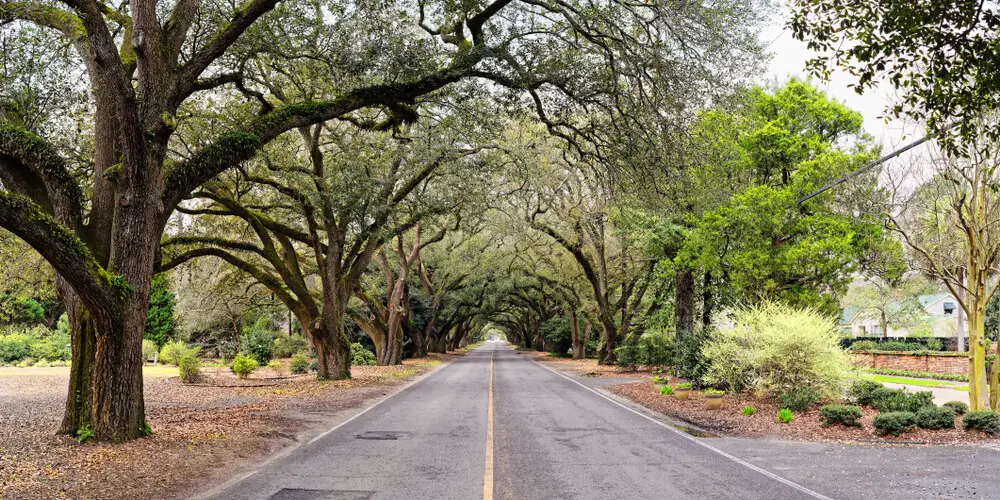
The industrial hemp farming history closely connects to the evolution of agriculture and economic development in the American South. The red clay and sandy coastal soils of the Palmetto State have long shaped the region’s agricultural destiny.
While South Carolina farming often evokes sprawling cotton fields or the golden waves of “Carolina Gold” rice, a more resilient and versatile crop has quietly shaped the state’s history. This plant was once a strategic necessity for the survival of the early colonies. Later, it became a casualty of shifting political tides. Today, it is experiencing a remarkable resurgence across the lowcountry and upstate alike.
Exploring the narrative of this crop reveals the very evolution of the state’s economic identity, from its origins as a maritime outpost of the British Crown to its modern status as a leader in agricultural innovation. Its story is one of survival, suppression, and a hard-fought return to sun-drenched fields where it first took root generations ago. Peeling back the layers of industrial heritage shows how a single botanical species could both build empires and inspire modern scientific revolutions.
The Crown’s Cordage in Industrial Hemp Farming History
The industrial hemp farming history in early colonial America highlights its role as a key resource for maritime power and economic growth. Long before the first steam-powered cotton gin appeared in the Southern interior, the British Empire saw South Carolina as a vital region for supporting its naval dominance.
In the late seventeenth and early eighteenth centuries, the Royal Navy’s strength determined global power. That strength depended entirely on a steady supply of high-quality fiber. Every warship required miles of rope and thousands of square yards of heavy-duty canvas to catch the Atlantic winds.
At the time, Britain relied heavily on imports from Russia and the Baltic states. This dependence created a strategic vulnerability that the Crown urgently wanted to solve. The solution lay in the fertile lands of the American colonies, with South Carolina emerging as a prime candidate for large-scale cultivation.
The provincial government in Charleston, following directives from London, offered sustained cash bounties to planters willing to dedicate significant acreage to hemp production. These subsidies were substantial, reflecting the urgent need for a domestic supply of a critical national security resource.
The goal was clear: transform the South Carolina wilderness into a botanical factory capable of outfitting the entire British fleet. Early settlers discovered that the damp, rich soils of the river valleys supported rapid plant growth. For a brief period, hemp seemed poised to become the dominant staple of the local economy, rivaling indigo and silk.
The Botanical Frontier of the 1700s
This phase of industrial hemp farming history demonstrates the challenges farmers faced while adapting the crop to new environmental conditions. Moreover, the early efforts to establish a hemp industry in the colony were marked by a spirit of experimental fervor. For instance, farmers in the 1720s and 30s were not just growing a crop; they were trying to master a complex biological process in a climate far more humid than the European heartlands where the plant originated. As a result, many early experiments succeeded only partially, teaching settlers valuable lessons about soil, water, and retting techniques. Consequently, these experiences laid the groundwork for a resilient local hemp tradition that would endure for generations.
Challenges in Hemp Processing and Retting
The primary challenge lay in the “retting” process—the method of using moisture and microbial action to break down the tough outer stalks and free the valuable bast fibers. In humid conditions, high temperatures and frequent rains created a volatile environment for this stage of production. If left too long in the damp fields, the fibers would rot; if harvested too early, they remained too rigid to be spun into useful cordage.
Hence, the main ussies were:
- Field Retting: The practice of leaving stalks in the field for several weeks to let dew and rain break down the lignin.
- Water Retting: Submerging stalks in stagnant or slow-moving water, which was faster but required careful management to avoid polluting local streams.
- Scutching: The mechanical beating of the stalks to separate the fiber from the woody core.
- Hackling: Combing the fibers through metal teeth to straighten them for spinning into rope or canvas.
Everyday Uses and Early Adoption
Despite these hurdles, the plant’s utility ensured its persistence. Beyond maritime uses, communities relied on its fiber for work clothes, grain sacks, and heavy thread for saddlery. In many frontier homesteads, a small hemp patch was standard, providing essential self-sufficiency in a world where imported goods were scarce.
The fiber became so valuable that people often used it as a medium of exchange. It functioned like currency in a society short on hard coin. This phase in industrial hemp farming history shows that early settlers proved the crop could thrive in difficult environmental conditions while supporting daily life and local economies.
Industrial Hemp Farming History During the Revolutionary War
When the American Revolution ignited, the focus of South Carolina’s agriculture shifted from serving the Crown to supporting the Continental Army. During this time, industrial hemp farming history reveals further how essential the crop was for military supplies and survival. In fact, hemp provided rope, canvas, and other critical materials, which meant that the success of the army often depended on the productivity of local fields.
The disruption of Atlantic trade routes meant that the patriot forces could no longer rely on European textiles. General Francis Marion, known as the “Swamp Fox,” and his guerrilla fighters in the South Carolina lowlands frequently relied on local homespun materials for their gear. The state’s inland farms became the primary source for the heavy canvas required for army tents and the rugged covers for supply wagons. This was a moment where the industrial utility of the plant transitioned into a tool of military logistics.
The Upstate region, with its slightly cooler temperatures, saw a surge in small-scale processing facilities. These primitive “factories” often consisted of little more than retting ponds and wooden breaks. They supplied the raw material that kept revolutionary forces mobile. Colonial officers praised the strength of Carolina fiber, noting that it resisted the mildew of Southern swamps better than imported linen.
During this period of intense domestic production, the plant earned a reputation as a resilient and patriotic crop. It became a crucial resource, sustaining the fight for independence when ports were blockaded and foreign supplies were cut off.
Industrial Hemp Farming History vs Cotton in the Old South
As the nineteenth century began, the United States started forging its own path. South Carolina’s agricultural landscape experienced a major shift. The invention of the cotton gin transformed the Southern economy almost overnight. Short-staple cotton became the undisputed king of regional exports.
The scale of the cotton boom was unprecedented, pushing nearly every other crop to the margins of colonial-era plantations. Yet, it is historically ironic that the cotton industry’s success depended for decades on the continued production of industrial hemp.
To prepare a massive bale of cotton for shipment to textile mills in New England or Lancashire, farmers needed two things: strong baling twine and heavy-duty bagging material. Until the mid-nineteenth century, hemp supplied both. Each 500-pound cotton bale required roughly fifteen pounds of hemp fiber to protect it during the long, often grueling Atlantic journey.
This symbiotic relationship meant that, even as cotton fields expanded across the Upstate and Midlands, a strong domestic hemp industry remained a vital part of the Southern economy.
Even as cotton rose to dominance, industrial hemp farming history shows the crop remained vital for packaging and transport materials.
Debates That Shaped Industrial Hemp Farming History
The 1840s and 50s were a time of intense intellectual curiosity among South Carolina’s landed gentry. The South Carolina Agricultural Society became a forum for fierce debates regarding the most effective way to integrate fiber crops into a cotton-heavy economy. Journals from this era reveal a sophisticated grasp of soil chemistry and crop rotation. Planters argued over whether the silt-rich soils of the Pee Dee River region produced a more flexible fiber than the heavier clays found near the Savannah River. They looked for ways to mechanize the “breaking” process, which remained the most labor-intensive and costly part of production.
These early agriculturalists were ahead of their time, recognizing that a monoculture of cotton was an ecological risk. They advocated for the use of the plant as a “soil cleanser,” noting that its deep taproots could break up compacted earth and improve the yields of subsequent cotton crops. However, the economic gravity of cotton was too strong, and the industrial fiber industry remained a secondary, albeit vital, partner. This period represents the peak of the plant’s “invisible” influence, where it served as the literal wrapping for the state’s most famous export, a silent contributor to the immense wealth generated during the antebellum era.
These discussions are an important part of industrial hemp farming history, reflecting early awareness of sustainability and soil health.
From Maritime Victory to the Shadow of Prohibition
A major turning point in industrial hemp farming history came with policy changes that nearly wiped out the crop from American agriculture. The 20th century brought radical shifts in technology and public policy. These changes almost erased hemp from the American consciousness.
Synthetic fibers like nylon and polyester emerged from chemical industry laboratories. These new materials were cheap to produce and could be engineered for specific industrial tasks. Many believed this signaled the end of the “natural loom.” However, the biggest blow to hemp did not come from the market. Instead, it came from the government in Washington, D.C.
In the 1930s, a powerful anti-cannabis movement gained momentum. Corporate interests and sensationalist media campaigns fueled this effort. Leaders like Harry Anslinger, the first commissioner of the Federal Bureau of Narcotics, and William Randolph Hearst’s media empire blurred the lines between industrial hemp and its psychoactive cousin.
This campaign led to the Marihuana Tax Act of 1937, which effectively taxed the industry out of existence. Although it was not an outright ban, the law created bureaucratic hurdles and high costs that made hemp cultivation impossible for most South Carolina farmers.
The Hearst Campaign and the War on Fiber
To understand why a plant with ten thousand years of history was suddenly demonized, we must examine the 1930s economic landscape. William Randolph Hearst had invested millions in timberlands and paper mills. He saw the newly invented decorticator—a machine that could rapidly process hemp stalks into paper pulp—as a direct threat to his empire. Hemp paper was stronger, more durable, and faster to produce than wood pulp paper.
To protect his interests, Hearst used his vast newspaper network to spread sensational stories linking the plant to violence and social decay. He deliberately used the Mexican slang term “marihuana” to distance the public from the respected “industrial hemp.”
In South Carolina, this national shift chilled local agriculture. Farmers who had once grown hemp as a standard, if secondary, crop now risked being labeled criminals. Generations of knowledge about soil preparation and retting began to fade. The once-thriving local trade in fiber and seeds disappeared, replaced by synthetic fibers and wood-pulp industries that had orchestrated hemp’s decline. This was a calculated erasure of a botanical heritage that had been part of the state’s identity since its founding.
The Great Selection: Breeding for the Molecule
The modern revival marks a new phase in industrial hemp farming history, driven by changing markets and innovation. The modern renaissance of the plant in South Carolina began with a grand vision of industrial revitalization. When the 2017 Industrial Hemp Pilot Program was conceived, many lawmakers and experts expected a return to fiber and grain markets. They imagined South Carolina farmers growing massive fields of tall, stalky plants for construction, automotive, and textile industries. However, as the first twenty pioneers planted their seeds, a new economic reality became clear. The global market for cannabinoids, especially CBD, was expanding quickly. Profit margins for floral biomass far exceeded those for traditional fiber or seed crops.
This shift was a fundamental turning point for the state’s program. Growing for fiber is a relatively straightforward agricultural process, similar to growing wheat or corn. The plants are seeded densely to encourage vertical growth and minimal branching. However, growing for CBD is a high-stakes, labor-intensive form of “botanical craftsmanship.” It requires wide spacing and careful removal of male plants to prevent pollination. The harvest focuses on delicate resin-producing flowers, not sturdy stalks. This shift from “fiber farming” to “compound cultivation” transformed the industry in South Carolina. It moved hemp from traditional commodity crops into specialty horticulture.
Industrial Hemp Farming History and the Shift to CBD Crops
The shift toward CBD required a complete overhaul of South Carolina’s hemp seed genetics. Seeds used for industrial fiber grew very tall, reaching fifteen feet, but produced few flowers and low resin. To succeed in the CBD market, farmers had to source high-resin plants that resembled decorative shrubs more than traditional crops. These plants were bred to stay low and branch widely, creating a dense canopy of flowers suitable for oil extraction.
For the first twenty farmers in the pilot program, this period involved intense learning. They had to master “sexing” the plants, identifying and removing male plants before pollination could occur. If even one male plant pollinated thousands of females, the crop would stop producing resin and start producing seeds. This would ruin the CBD harvest entirely. In South Carolina’s humid summer, inspecting every plant daily was grueling work, requiring teams to carefully check for tiny male pollen sacs.
The “Hot Crop” Crisis and Regulatory Rigor in Industrial Hemp Farming History
One of the greatest fears for modern hemp farmers is a “hot crop,” which exceeds the legal THC limit of 0.3%. Environmental stress can alter the plant’s chemistry, and South Carolina’s intense heat and humidity sometimes cause THC levels to spike. In the early years of the program, several farmers lost their entire investment when crops tested “hot” and had to be destroyed. This created a high-stakes environment where every decision, from irrigation to fertilization, directly impacted the plants’ chemical composition. These challenges highlight the regulatory complexities within industrial hemp farming history in the modern era.
To manage this risk, the South Carolina Department of Agriculture implemented a strict testing regime for all fields. Every field was GPS-mapped, and multiple samples were taken before harvest to ensure accurate THC analysis. Researchers used this data to create a “chemical map” of the state, identifying which regions were best for each variety. The goal was to secure industry integrity, verifying that all products reaching consumers were safe, legal, and high-quality. This commitment to transparency and safety became a hallmark of the South Carolina hemp program, earning national respect.
Distilling the Delta: The Rise of Palmetto Processing
As the fields of floral biomass began to mature across the state, a new industrial challenge emerged: how to turn thousands of pounds of fresh plant material into a refined, usable oil. The traditional “retting” and “breaking” methods used for fiber were useless in the world of CBD. Instead, the industry required sophisticated laboratories equipped with cutting-edge extraction technology. This led to the rise of a new class of “industrial mills” in South Carolina—extraction hubs that utilized chemistry and physics to isolate the desired compounds from the raw plant matter.
The process of extraction is a delicate balance of temperature, pressure, and time. In the early days, some processors used simple alcohol-based methods, but the industry quickly shifted toward more advanced techniques like Supercritical CO2 extraction. This method uses pressurized carbon dioxide to wash over the plant material, acting as a clean solvent that dissolves the resins without leaving any toxic residue. For the South Carolina farmer, having access to these high-tech facilities was crucial. It meant they could process their harvest locally, keeping the economic benefits within the state and guaranteeing a faster turnaround from field to shelf.
Winterization and the Art of Refinement
Once the raw oil is extracted, it must go through refinement steps to remove waxes, fats, and chlorophyll. This process, called winterization, mixes the oil with high-grade alcohol and chills it to sub-zero temperatures.
Impurities settle out of the solution, leaving behind a pure, golden extract ready for further processing. Processors carefully monitor filtration and evaporation to preserve delicate aromatic compounds called terpenes, which define the plant’s character.
Terpenes give the product its unique scent and flavor and work in synergy with CBD, enhancing its effects. South Carolina processors take pride in capturing the specific terpene profiles of local hemp crops accurately.
They craft more than a commodity; they produce boutique products reflecting the region’s unique terroir and botanical heritage. This focus on quality and refinement allows South Carolina CBD to compete globally, earning a reputation for purity and depth.
Chromatography and the Broad-Spectrum Shift
As the market for CBD matured, consumers began to demand more specific products. Some wanted the “whole plant” experience of full-spectrum oil, while others required a product that was completely free of THC. To meet this demand, South Carolina processors invested in advanced chromatography equipment. This technology allows them to separate the various molecules within the oil, specifically targeting and removing the THC while leaving all the other beneficial cannabinoids and terpenes intact.
The result is “broad-spectrum” oil, a product that offers the benefits of the Entourage Effect without any of the legal or professional concerns associated with THC. This technical feat represented the pinnacle of the Palmetto State’s industrial evolution. It moved the state beyond the realm of simple agriculture and into the world of high-value molecular manufacturing. The hemp plant was no longer just a source of rope and canvas; it was a biological platform for a new era of wellness and industrial science.
The Green Fever: Market Volatility in the Midlands
Market fluctuations are another defining feature of recent industrial hemp farming history. The rapid expansion of the hemp industry in South Carolina was not without its social and economic growing pains. In the years following the 2018 Farm Bill, a sense of “Green Fever” swept through the Midlands and the Upstate. Farmers who struggled for years with falling tobacco and cotton prices saw hemp as a new opportunity for financial stability.
Land prices in several counties quickly increased as investors rushed to secure farmland for cultivation of this promising industrial crop.
Local farm equipment auctions saw higher demand for specialized machinery, planting tools, and harvesting equipment needed for hemp production.
The initial excitement soon gave way to significant market volatility, testing farmers’ patience and business strategies across the state.
The infrastructure for buying and selling large hemp quantities remained underdeveloped, complicating trade and creating uncertainty in the new industry.
In 2019, an oversupply caused national CBD biomass prices to collapse, leaving many farmers with barns full of unsold crops.
This sobering experience reminded growers that agricultural success rarely follows a straight path and often demands careful planning and adaptability.
The Resilience of the Palmetto Farmer
Despite the market fluctuations, the majority of South Carolina’s hemp farmers remained committed to the crop. They recognized that the long-term potential of the plant was too great to ignore. Many began to diversify their operations, growing some acres for CBD and others for grain or fiber. They formed local cooperatives and trade associations to share information and negotiate better prices for their harvests. This spirit of community and resilience is what allowed the industry to survive its early “boom and bust” cycles.
For many of these families, the hemp plant represented more than just a paycheck; it was a way to keep their land and their heritage alive. By embracing a new and challenging crop, they were ensuring that their farms would remain productive for another generation. They were the modern-day heirs to the colonial-era pioneers, facing the same challenges of weather, pests, and political shifts with the same grit and determination. Their success is a testament to the enduring strength of the South Carolina agricultural tradition, a legacy that continues to evolve and thrive in the face of change.
The Social Impact of the “Green Rush”
The rise of the hemp industry profoundly impacted the social fabric of rural South Carolina. It brought new energy and innovation to towns that had declined for decades. New businesses, from boutique wellness shops to industrial processing plants, began opening. These ventures created jobs and attracted new residents to the region. Local technical colleges and universities expanded agricultural programs to include hemp cultivation and processing. This provided a new generation of students with the skills to succeed in the modern economy.
This cultural shift was not always smooth. Some community members remained skeptical, still linking hemp to prohibition-era stigmas. However, education and transparency gradually won over critics. People noticed the benefits the crop brought to neighbors and local economies. Farmers worked closely with law enforcement and regulators to ensure a safe and legal industry. Over time, the hemp plant became recognized as a versatile and valuable agricultural resource. It supports a more vibrant and sustainable future for South Carolina communities.
Sustainability in Industrial Hemp Farming History
One of the most compelling reasons for the continued growth of the hemp industry is its remarkable environmental profile. As the world searches for ways to combat climate change and reduce reliance on synthetic chemicals, hemp provides a natural and effective solution. This shift toward sustainability, seen throughout industrial hemp farming history, represents a significant evolution in how the crop is cultivated and valued.
Hemp acts as a “climate-positive” crop. It can help heal the earth while it grows and offers a blueprint for regenerative, sustainable agriculture. In South Carolina, where soil health underpins the economy, the benefits are particularly notable. Farmers report that hemp reduces their need for fertilizers and pesticides, enhancing long-term soil productivity. By giving back more than it takes, the plant serves as a powerful ally in the fight for a cleaner, greener world.
Phytoremediation in Industrial Hemp Farming History
One of the most unique characteristics of the hemp plant is its ability to perform phytoremediation. In this process, hemp draws heavy metals and toxins out of the soil. This ability is especially valuable in South Carolina, where decades of intensive farming and industrial activity have left some lands depleted or contaminated. By planting hemp, farmers can naturally clean their soil, making it safer and more productive for future crops.
Researchers at Clemson University are studying this “green vacuum” effect to rehabilitate old tobacco lands and industrial sites. They have found that hemp effectively absorbs lead, mercury, and other harmful substances, storing them safely in its stalks and leaves. This process improves soil health and protects the local water supply and surrounding ecosystems. Hemp demonstrates a powerful way to use nature’s own tools to solve environmental problems caused by human activity.
Carbon Sequestration: A Field of Air Filters
Beyond its ability to clean the soil, the hemp plant is also an extraordinary tool for carbon sequestration. A single acre of hemp can absorb up to 15 tons of CO2 from the atmosphere in just a few months of growth. This makes it more effective at capturing carbon than an equivalent acre of forest. Because the plant grows so quickly, it can perform this “air filtering” service multiple times a year, providing a rapid and scalable solution to the problem of rising greenhouse gas levels.
In South Carolina, the potential for large-scale carbon sequestration is massive. By encouraging the cultivation of hemp, the state can become a leader in the global effort to combat climate change. The carbon captured by the plants can be permanently “locked away” when the fiber is used in long-term products like construction materials or bioplastics. This creates a “closed-loop” system where the growth of the industry directly contributes to the health of the planet. It is a win-win scenario for the farmer, the consumer, and the environment.
An Emerald Horizon for The Palmetto State
Looking ahead, industrial hemp farming history continues to evolve as the crop shapes the future of sustainable agriculture. The historical trajectory of this plant serves as a profound reminder of the enduring relationship between soil and societal progress.
From its vital role in early maritime expansion to its current position in sustainable industrialism and wellness, the plant has consistently proven its value. What we are witnessing today is more than an agricultural comeback—it is a reclamation of a versatile biological heritage once nearly lost. This renewed momentum is driven by a balance between traditional farming knowledge and modern quality standards.
A Sustainable Path Forward
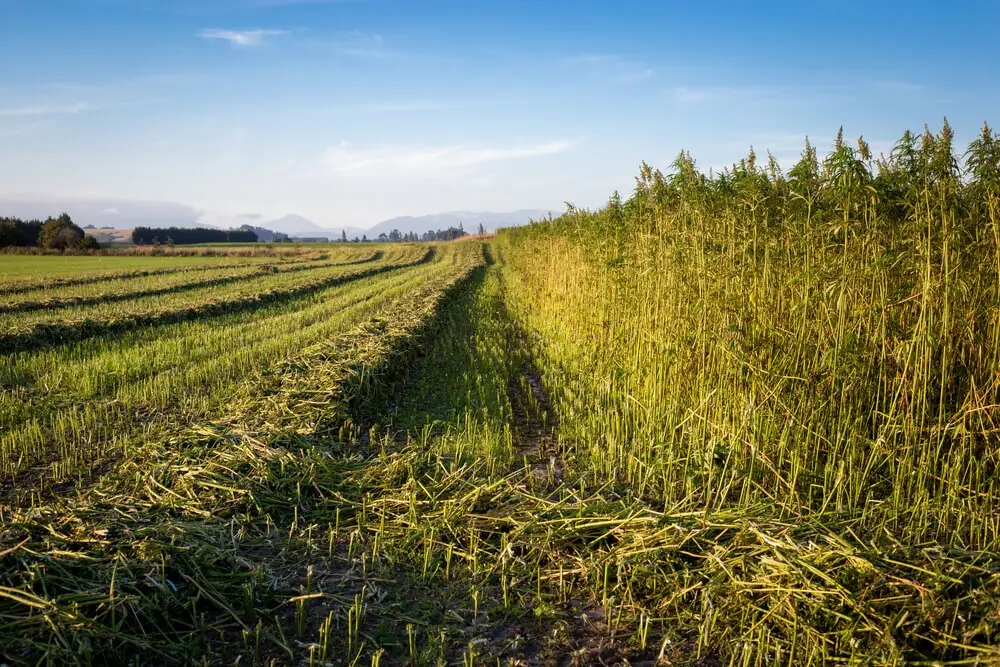
As we look toward the future, the tall, swaying stalks symbolize a resilient and vibrant path forward for both economic and environmental progress. This “emerald horizon” represents a legacy of utility that continues to create new opportunities for growth, balance, and innovation across the agricultural landscape.
Community Commitment to Hemp Education
Aiken Hemp & CBD Collective is a locally owned business focused on helping our community enjoy the benefits of safe, high-quality hemp products for everyday wellness. Our products include lab-tested CBD oils, gummies, topicals, hemp flower, and pet CBD from trusted brands that meet strict purity and safety standards.
We value our roots in this historic community and take our role as local educators very seriously. We believe everyone deserves access to the finest botanical solutions. Our team works tirelessly to ensure neighbors feel supported and informed throughout their wellness journey.
With a physical presence in the community, we can have real conversations with our neighbors. We listen to their needs and provide tailored solutions that fit their lifestyles.